ITK’s Annual Report provides an update on ITK’s strategic priorities set out in our 2024-2028 Strategic Plan
ITK’s Annual Report provides an update on ITK’s strategic priorities set out in our 2024-2028 Strategic Plan
This definition was developed by the MMIWG Inuit Caucus, a working group chaired by Inuit Tapiriit Kanatami
ITK’s pre-budget submission lays out Inuit priorities for the 2026 Federal Budget
The NNC framework offers Inuit-led recommendations on how to transform the federal program and make it more responsive to the needs of Inuit communities.
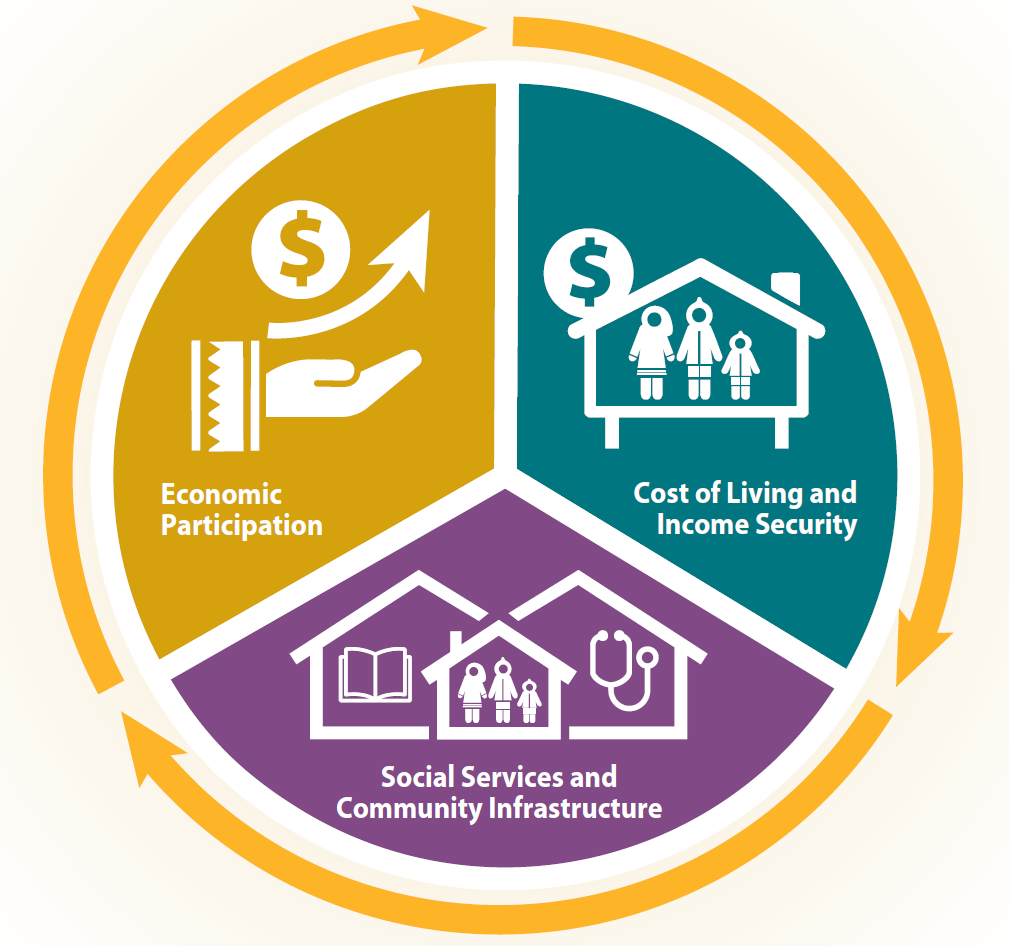
The Strategy is an Inuit-led roadmap to reduce poverty, strengthen self-determination, and close longstanding socioeconomic gaps between Inuit and non-Indigenous Canadians.
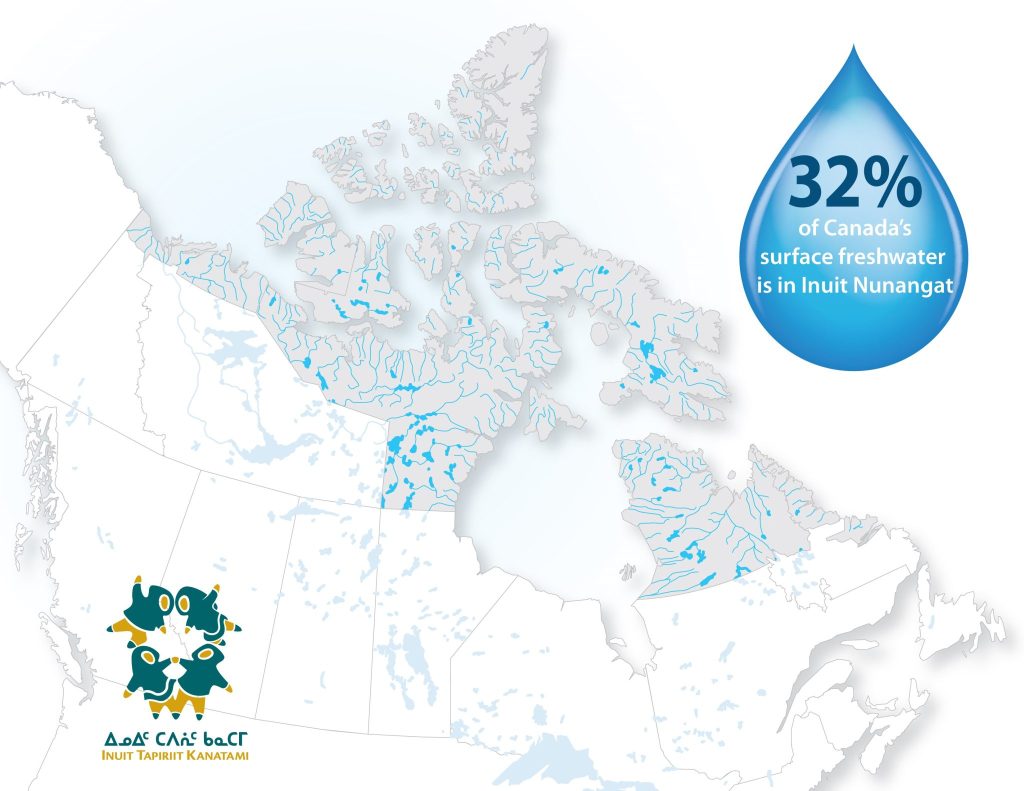
Using decades of remote sensing imagery, ITK has determined that Inuit Nunangat is home to 32% of Canada’s surface freshwater – more than the surface area of all five Great Lakes combined.
This progress report describes the implementation status of the federal-led and Inuit-led actions since the release of the action plan.
In December 2021, the Government of Canada committed to closing the Inuit Nunangat infrastructure gap by 2030. This report supports those efforts by outlining the areas where Inuit Treaty Organizations recommend prioritizing investment.
Inuit Tapiriit Kanatami is pleased to present its 2024-2025 Annual Report, presented at our Sept. 18 Annual General Meeting
The Government of Canada has an opportunity through Budget 2025 to set forth a clear vision and commitment to develop its Arctic territory by bringing Inuit Nunangat into the rest of the country
Inuit Tapiriit Kanatami released today An Inuit Vision for Arctic Sovereignty, Security and Defence which highlights the need to recognize the importance of human security to national security.