

“There is no other scenario in the country where a majority population of a jurisdiction has no right to receive government services in the dominant language of the society,” Obed said.
“There is no other scenario in the country where a majority population of a jurisdiction has no right to receive government services in the dominant language of the society,” Obed said.
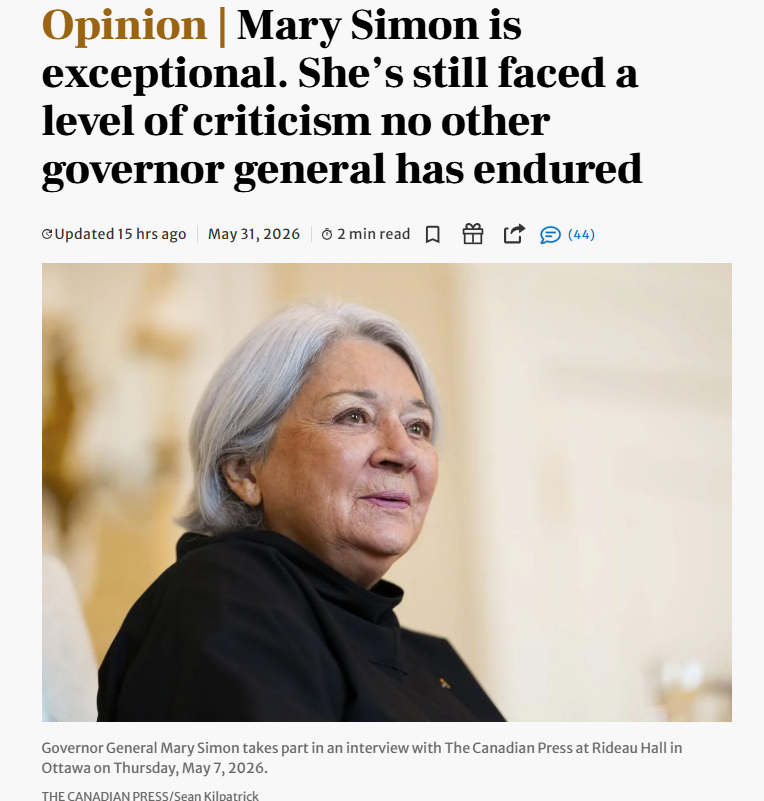
Attacks on Simon’s fluency in French are absurd because they are a result of Quebec policy and a decades-long standoff between the governments of Quebec and Canada over who would be responsible for Indigenous Peoples
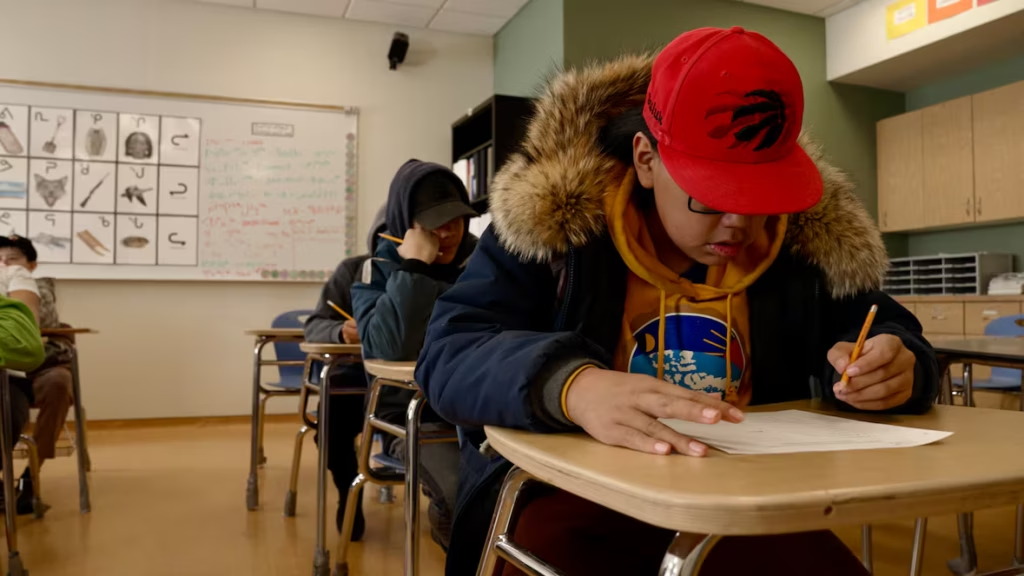
Inuit hope Inuit Nunangat University will decrease barriers for Inuit attending post-secondary school
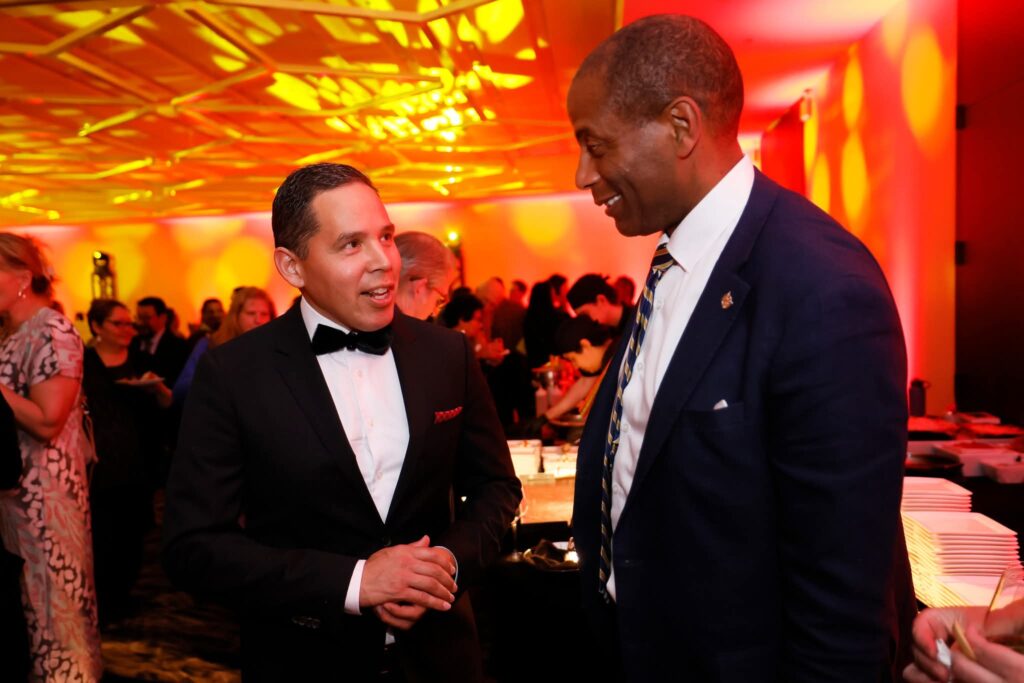
ITK is hosting Tapiriit at the National Arts Centre in Ottawa Monday evening
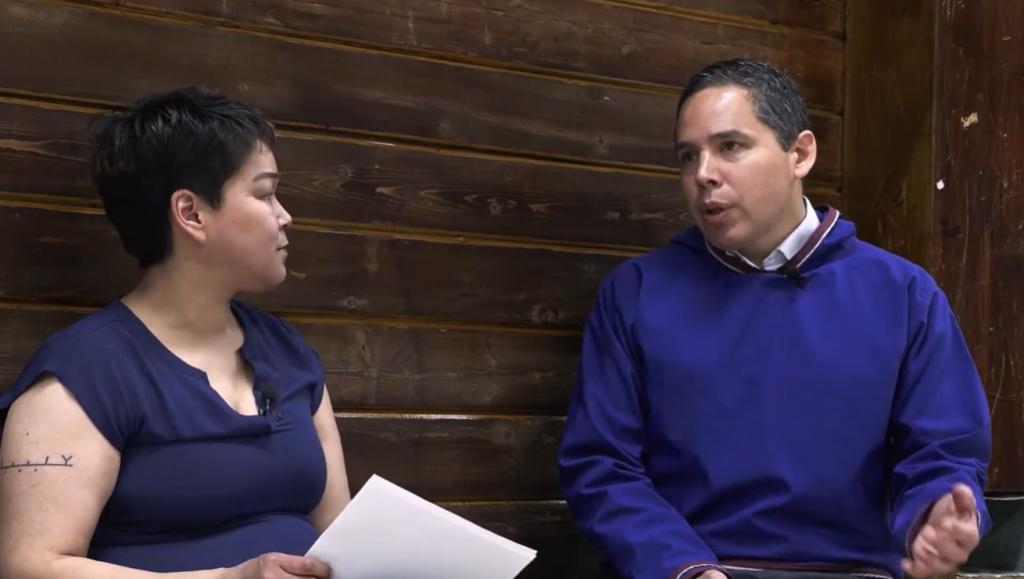
Uvagut TV reporter Nuatie Aggark interviews ITK President Natan Obed
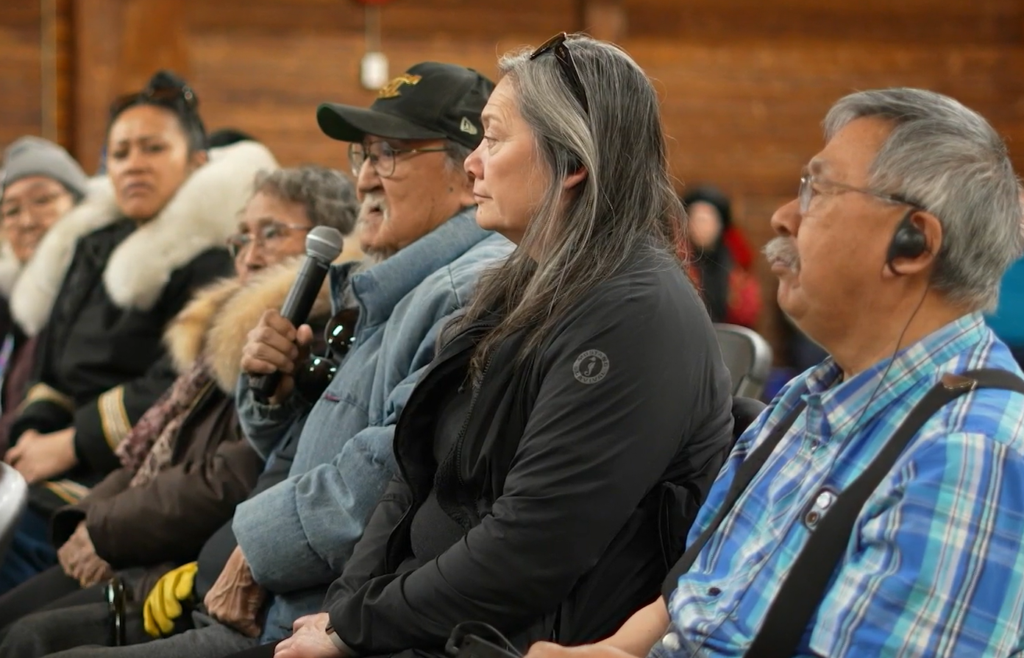
Watch the CBC Igalaaq news report in Inuktut, starting from the 7-minute mark
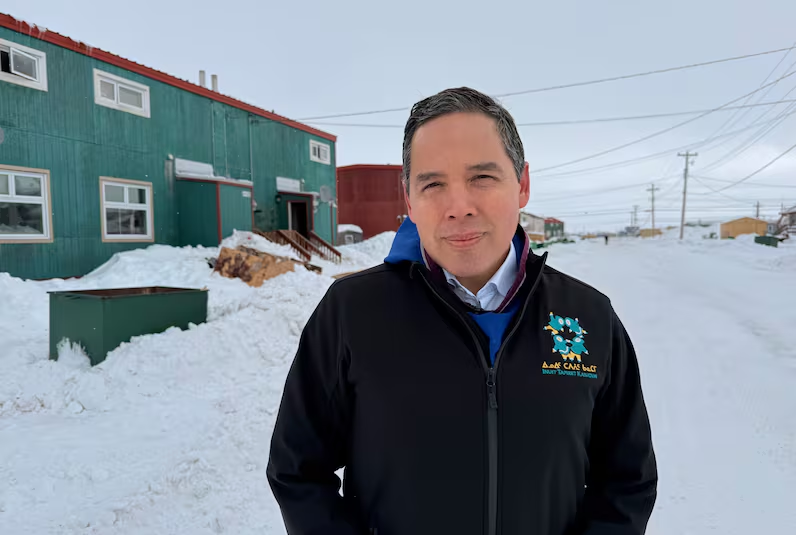
“We wanted all of the students to feel as though they were connected to something very familiar but also to an essential part of Inuit society and culture,” – ITK President Natan Obed
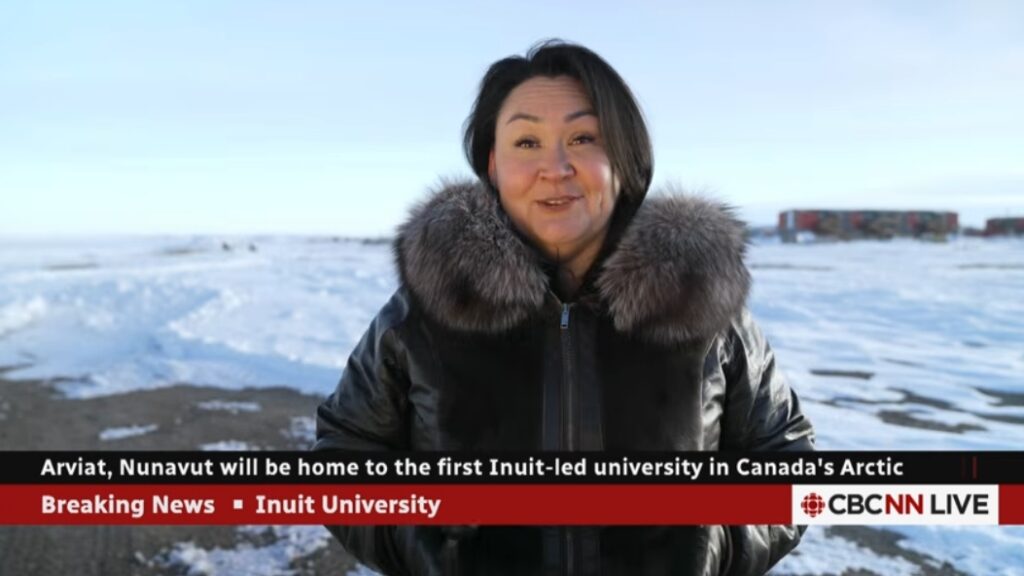
“There needs to be a reckoning from this,” said ITK President Natan Obed. “This is another chapter in a very dark legacy of this country’s history.”
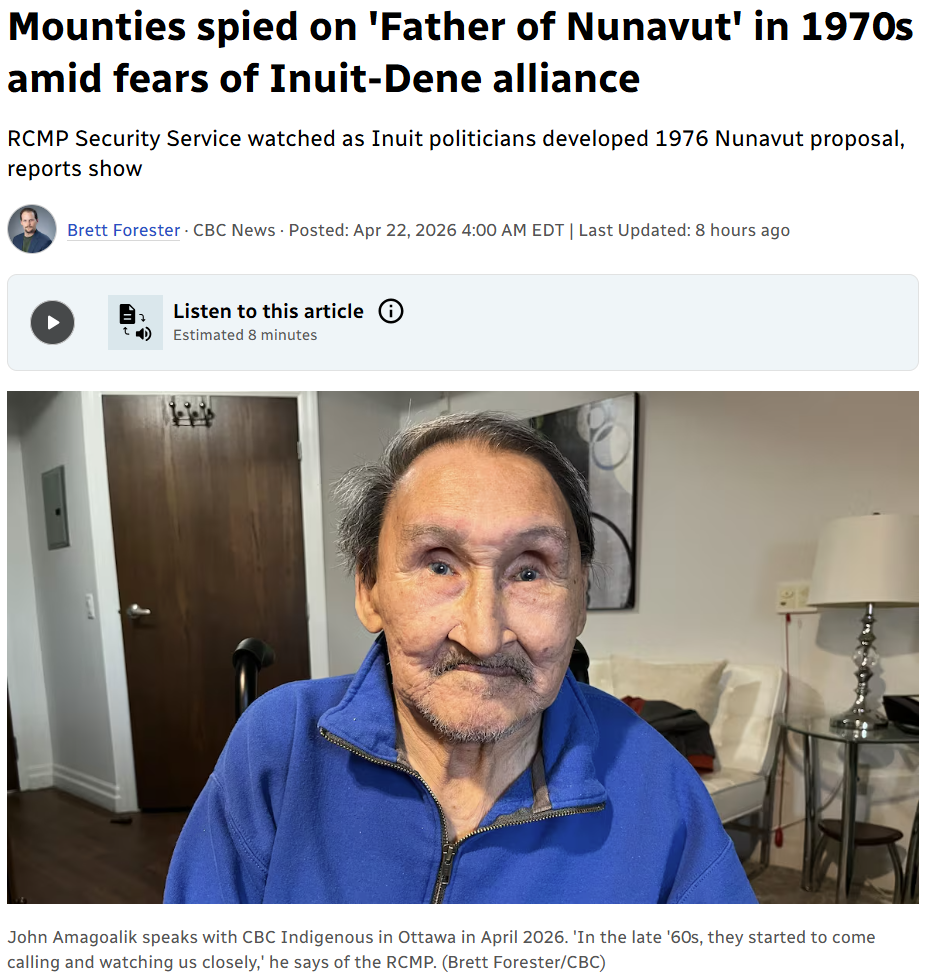
“There needs to be a reckoning from this,” said ITK President Natan Obed. “This is another chapter in a very dark legacy of this country’s history.”
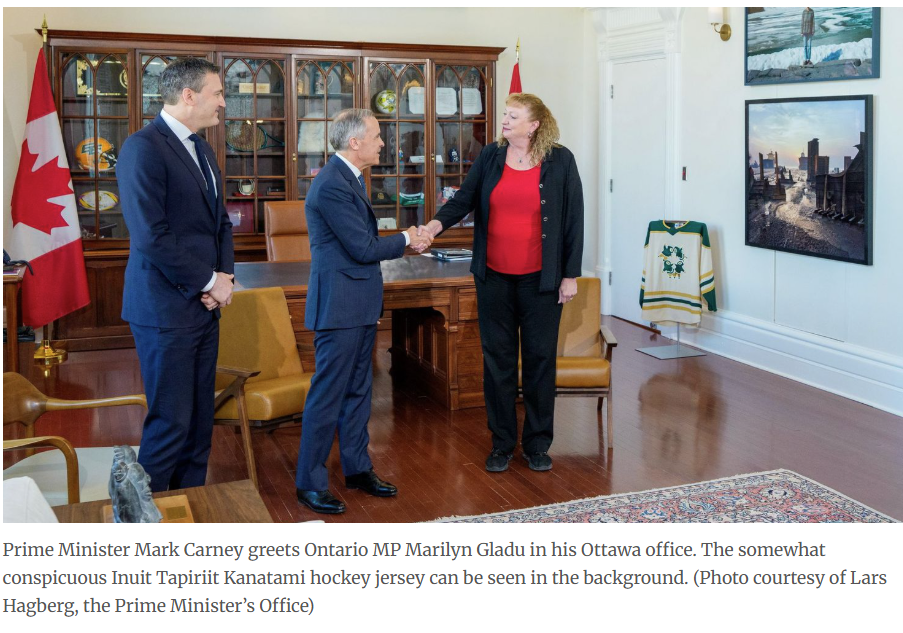
Prime Minister Mark Carney showed off his ITK colours recently during a photo op in his office.

President Natan Obed spoke to CBC about the historic RCMP surveillance program for Indigenous peoples.
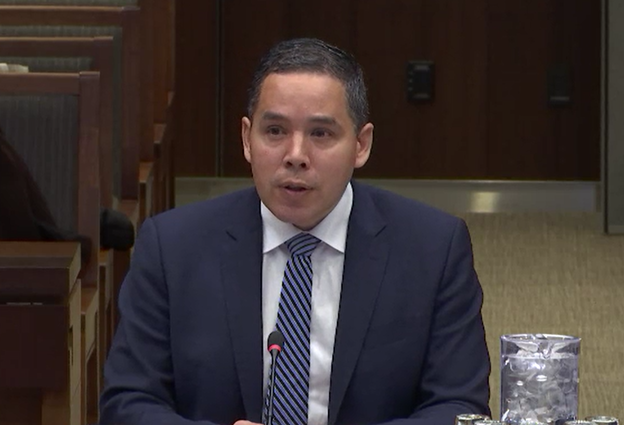
President Natan Obed gave witness testimony to the Parliamentary Standing Committee on Natural Resources and answered their questions about resources, sovereignty, and investment in Inuit Nunangat.
